In theoretical physics and philosophy, a persistent question haunts every model of the universe: "Who is running the simulation?"
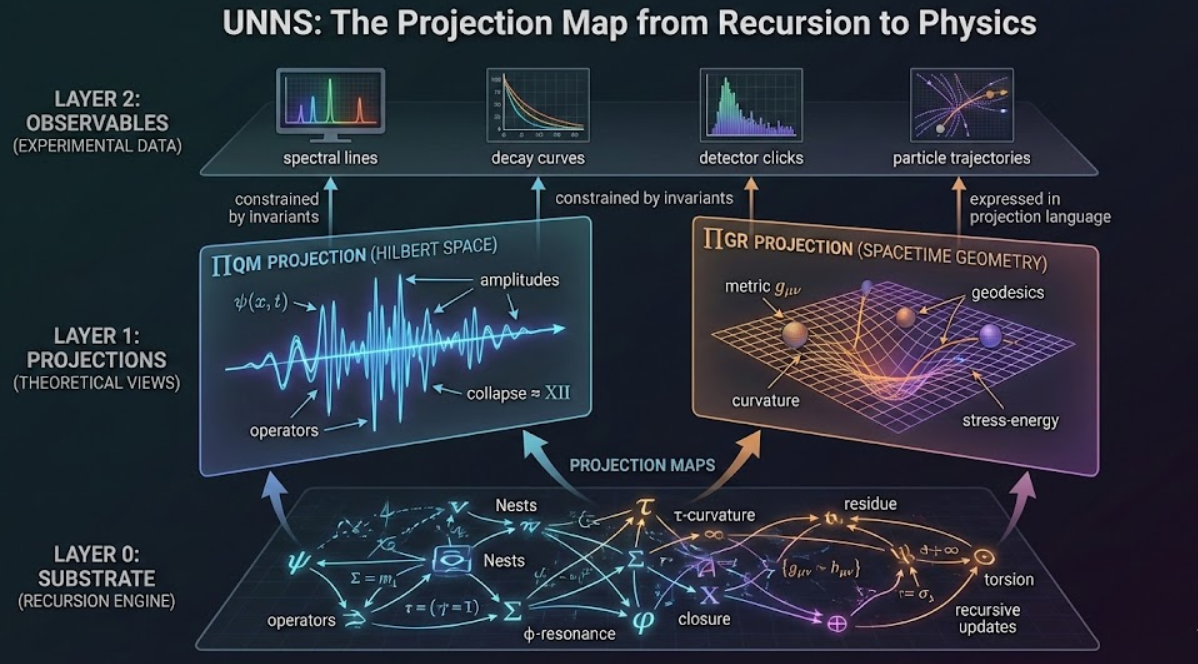
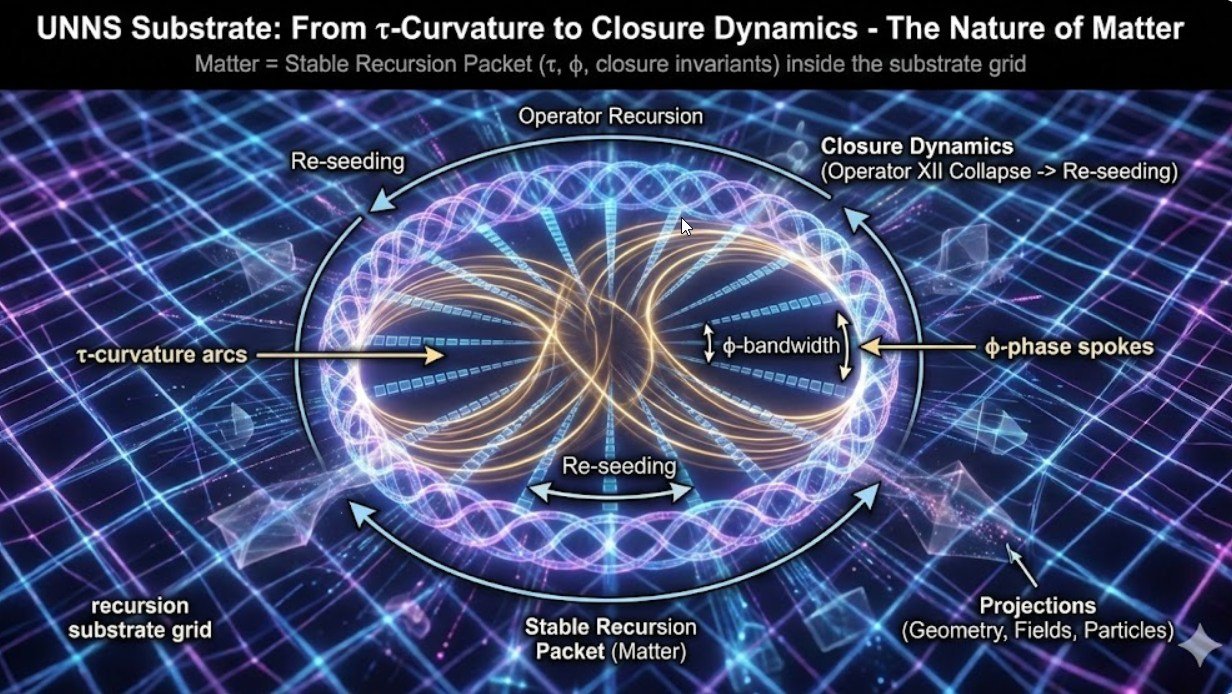
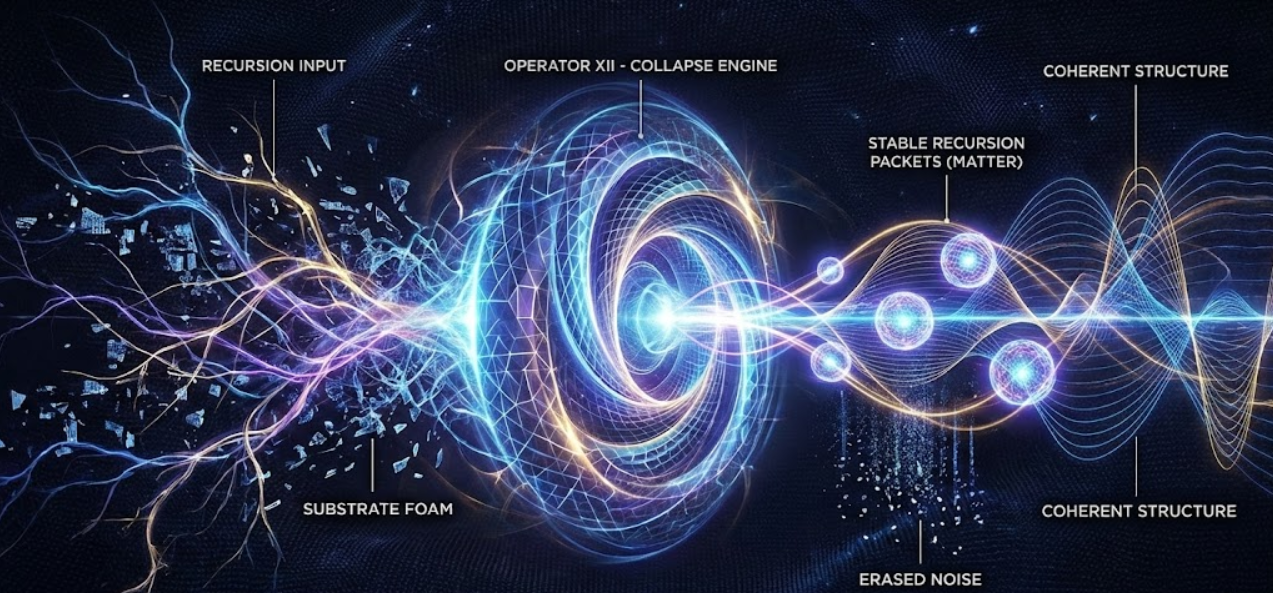
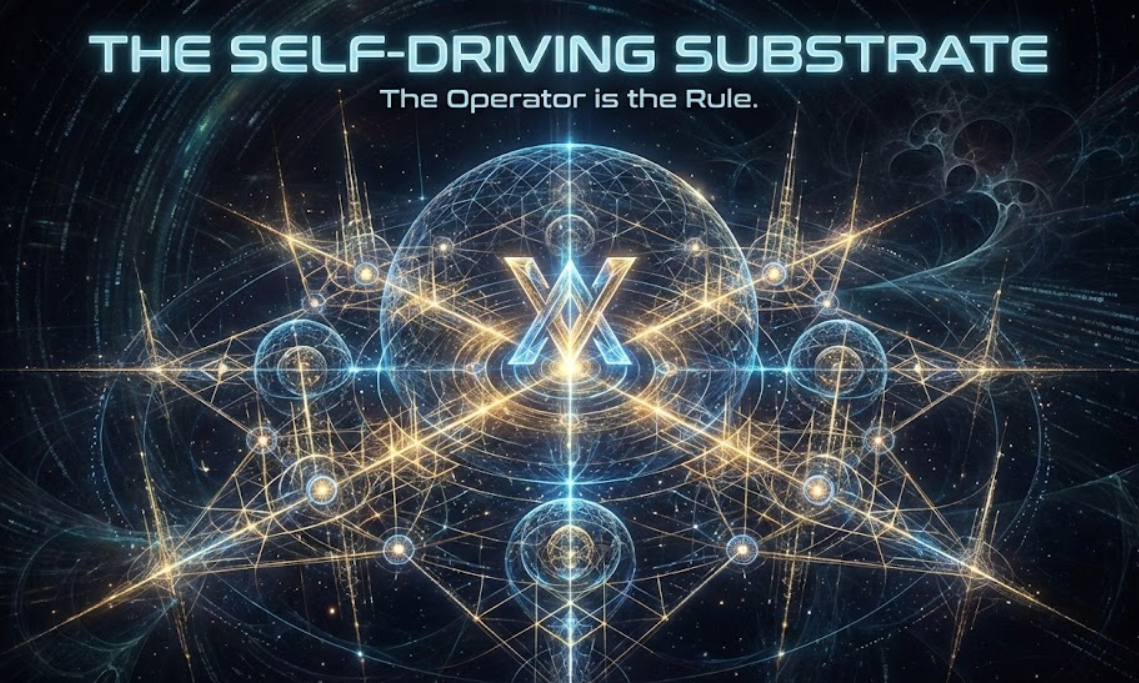
When we look at the UNNS framework—with its complex recursion of Seeds into Nests, the unfolding of the τ-Field, and the precise calculations of Operator XII—it is tempting to ask who, or what, is pushing the system forward. Who applies the rule? Who turns the crank?